



BLOG
Exploring the Beauty of Artistic Stone Patterns in Architectural Design
Fujian Nan'an Fancy Stone Industry Co., Ltd.
2026-05-14
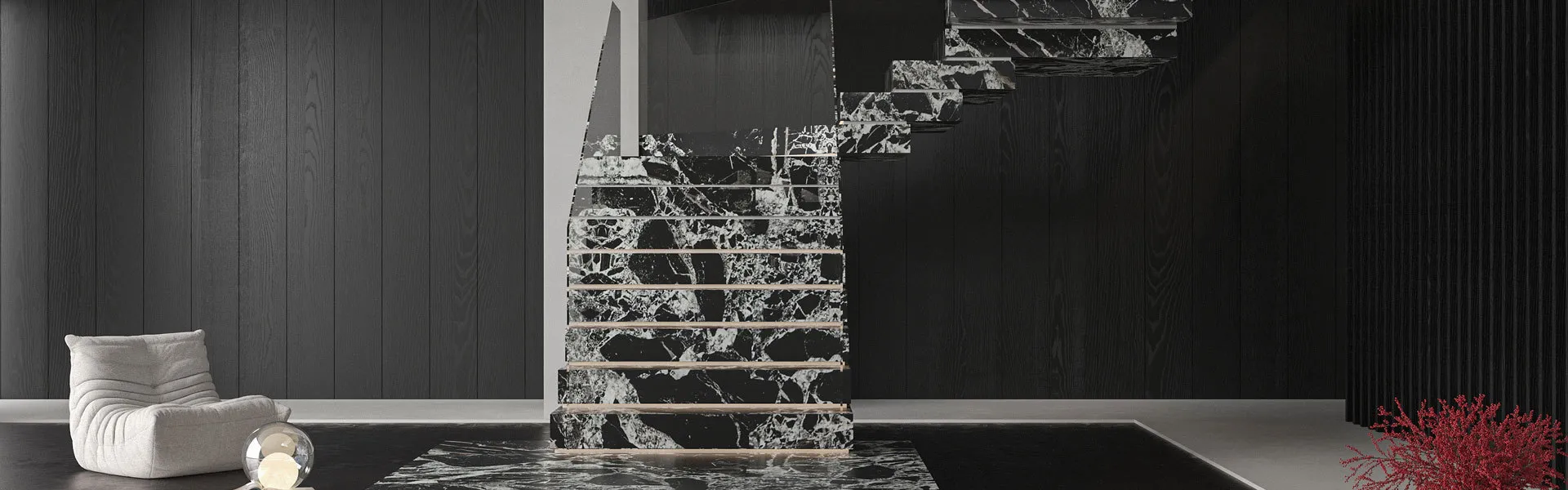
Artistic stone patterns are intricate designs and textures created on stone surfaces that enhance the aesthetic appeal of various structures. Often employed in both interior and exterior applications, these patterns transform ordinary stone into extraordinary works of art. The benefits of incorporating artistic stone patterns into architectural projects are manifold, appealing to both designers an
Artistic stone patterns are intricate designs and textures created on stone surfaces that enhance the aesthetic appeal of various structures. Often employed in both interior and exterior applications, these patterns transform ordinary stone into extraordinary works of art. The benefits of incorporating artistic stone patterns into architectural projects are manifold, appealing to both designers and clients alike.
One of the significant advantages of artistic stone patterns is their versatility. They can be used in a variety of settings, from grand entrances and facades to cozy indoor spaces. Various types of stones, such as marble, granite, and limestone, lend themselves well to artistic applications. Each type of stone offers its own unique properties, colors, and textures, which can be manipulated to create stunning visual effects. For instance, polished marble can achieve a sophisticated look, while rough-hewn granite can evoke a more rustic ambiance.
Incorporating artistic stone patterns can also enhance the overall design concept of a space. Patterns can be customized to reflect the style and personality of the client, whether it be contemporary, traditional, or eclectic. This customization is particularly beneficial for architects and designers looking to create a signature look for their projects. By using artistic stone patterns, they can craft a cohesive design language that resonates with the intended audience.
Moreover, artistic stone patterns contribute to the durability and functionality of surfaces. The careful selection of stone materials, combined with skilled craftsmanship, ensures that the patterns not only look good but also withstand the test of time. This durability is crucial for both exterior and high-traffic interior applications, making them a practical choice for many projects.
Additionally, the trend toward sustainability in architecture has brought attention to the use of natural stones. Artistic stone patterns can be created from locally sourced materials, reducing the carbon footprint associated with transportation. This eco-friendly aspect adds another layer of appeal, as more clients look for sustainable solutions in their construction and design choices.
In conclusion, artistic stone patterns represent a fascinating intersection of art and architecture, offering professionals in the building and decorative materials industry a wealth of opportunities for creativity and innovation. By understanding the versatility, customization options, and sustainable benefits of these patterns, architects and designers can elevate their projects, creating spaces that are not only beautiful but also functional and enduring. Embracing these artistic elements can lead to a new realm of possibilities in architectural design, making it an exciting focus for industry professionals.
One of the significant advantages of artistic stone patterns is their versatility. They can be used in a variety of settings, from grand entrances and facades to cozy indoor spaces. Various types of stones, such as marble, granite, and limestone, lend themselves well to artistic applications. Each type of stone offers its own unique properties, colors, and textures, which can be manipulated to create stunning visual effects. For instance, polished marble can achieve a sophisticated look, while rough-hewn granite can evoke a more rustic ambiance.
Incorporating artistic stone patterns can also enhance the overall design concept of a space. Patterns can be customized to reflect the style and personality of the client, whether it be contemporary, traditional, or eclectic. This customization is particularly beneficial for architects and designers looking to create a signature look for their projects. By using artistic stone patterns, they can craft a cohesive design language that resonates with the intended audience.
Moreover, artistic stone patterns contribute to the durability and functionality of surfaces. The careful selection of stone materials, combined with skilled craftsmanship, ensures that the patterns not only look good but also withstand the test of time. This durability is crucial for both exterior and high-traffic interior applications, making them a practical choice for many projects.
Additionally, the trend toward sustainability in architecture has brought attention to the use of natural stones. Artistic stone patterns can be created from locally sourced materials, reducing the carbon footprint associated with transportation. This eco-friendly aspect adds another layer of appeal, as more clients look for sustainable solutions in their construction and design choices.
In conclusion, artistic stone patterns represent a fascinating intersection of art and architecture, offering professionals in the building and decorative materials industry a wealth of opportunities for creativity and innovation. By understanding the versatility, customization options, and sustainable benefits of these patterns, architects and designers can elevate their projects, creating spaces that are not only beautiful but also functional and enduring. Embracing these artistic elements can lead to a new realm of possibilities in architectural design, making it an exciting focus for industry professionals.
Recommended news

ADD: Warehouse 5. Channel 6. Nanyi Stone Market. Shuitou Town. Nan'an City. Fujian Province
Company


SEND A MESSAGE
SAF Coolest v1.3.1.2 设置面板 GAGSE-ZGYF-JAAWE-ZXQ
无数据提示
Sorry, the current column is being updated, so stay tuned!
You can check other columns or return HOME